There is no time to waste, skills gaps need filling
There is no time to waste, skills gaps need filling
Skills shortages are hardly a new problem for North East businesses, but one we need to start looking at differently.
Too often, the focus is on encouraging young people into particular industries. That's important but overlooks a huge pool of talent - those already in work with valuable experience and transferable skills who are ready for a fresh challenge.
As the third generation of my family to run Moody Logistics and Storage, part of the North East economy for almost 80 years, one of our biggest challenges is finding people with the right skills and attitude.
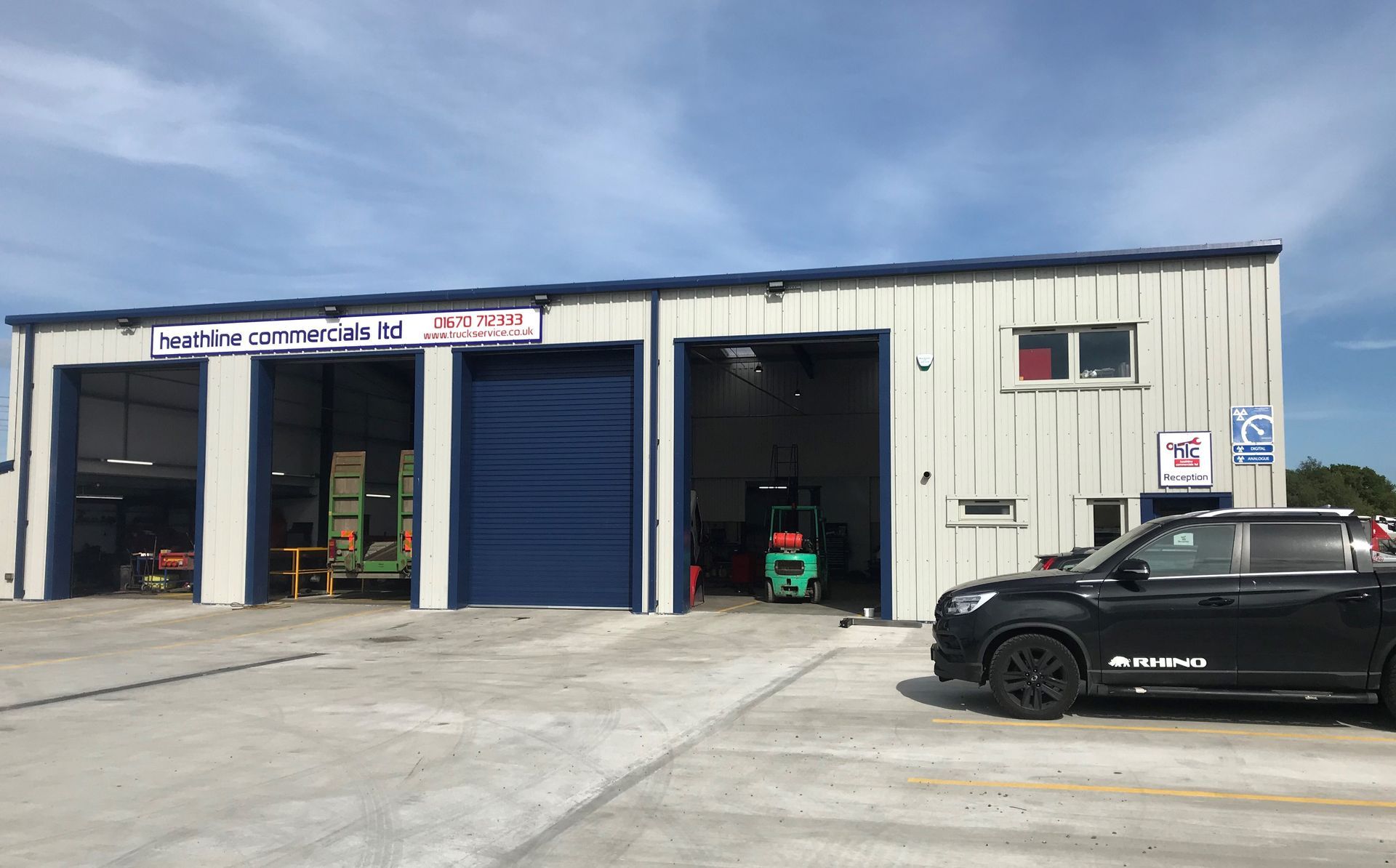
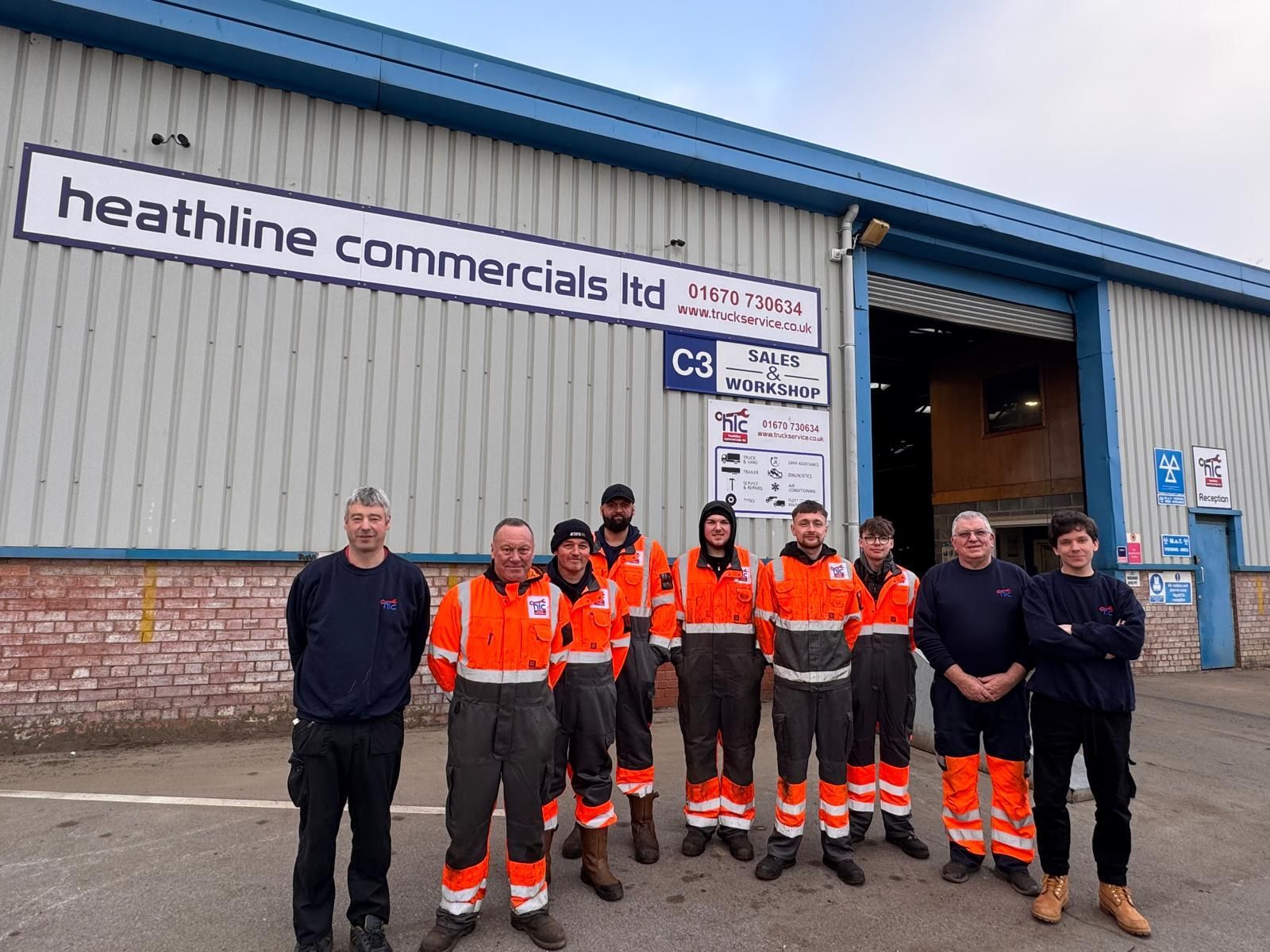
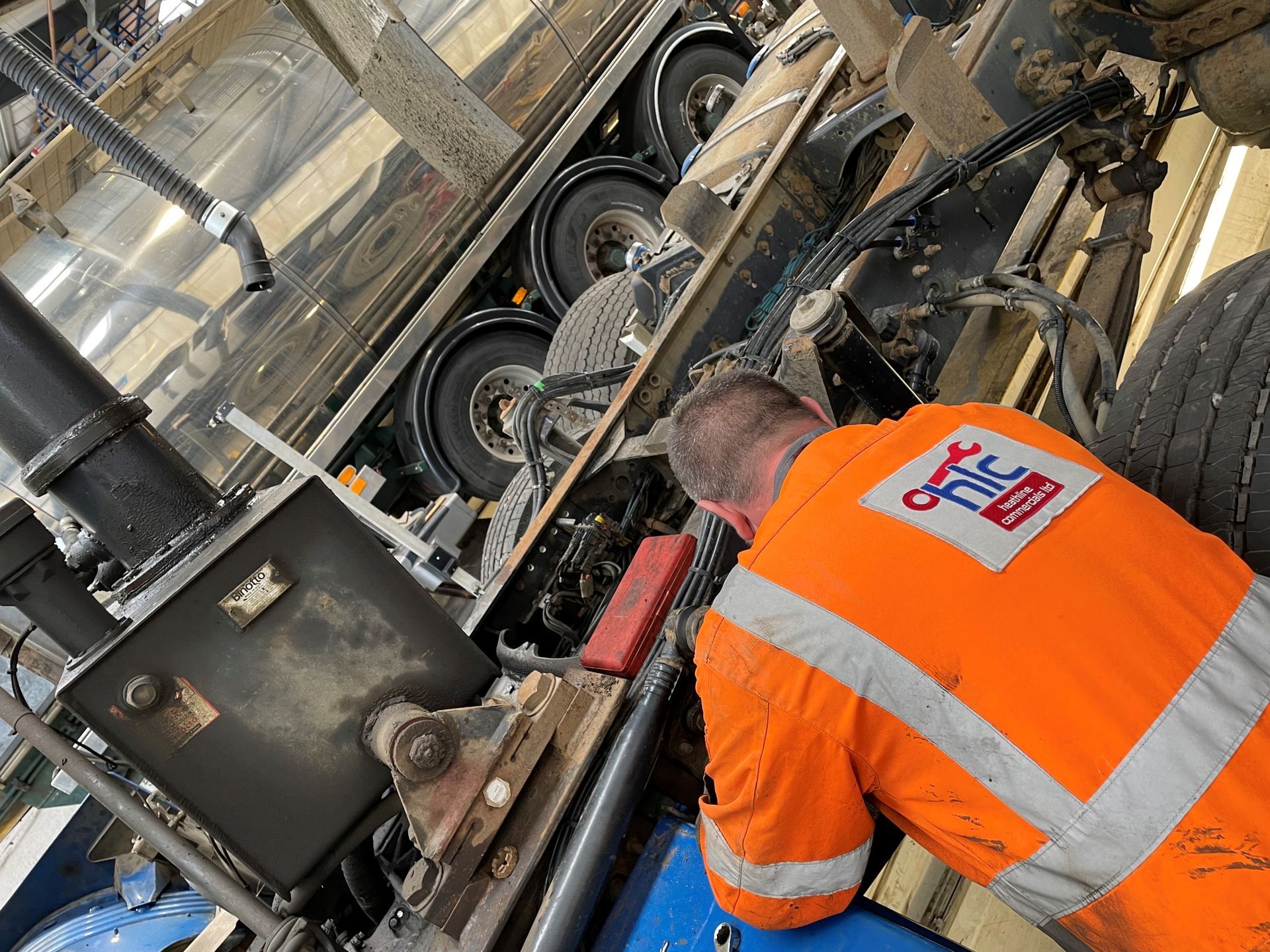
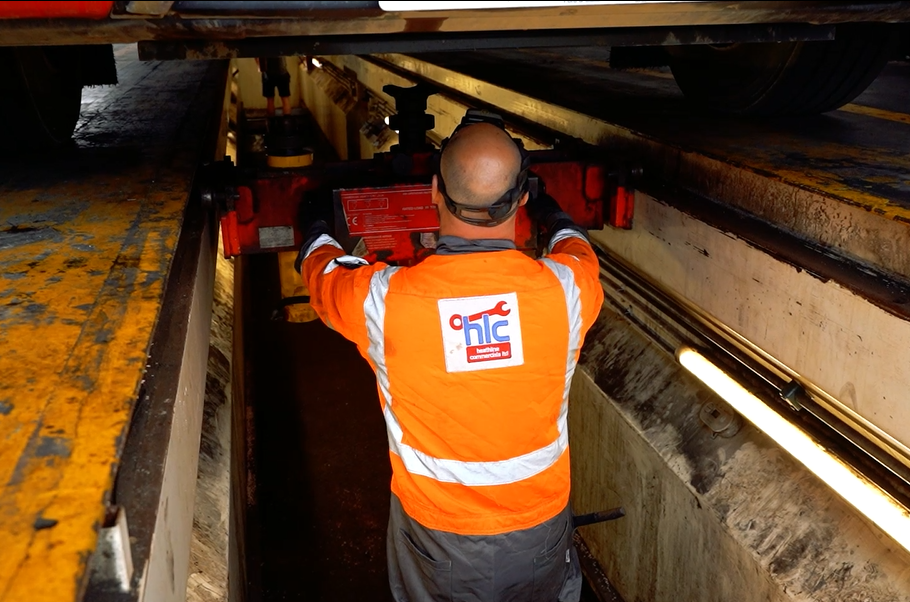
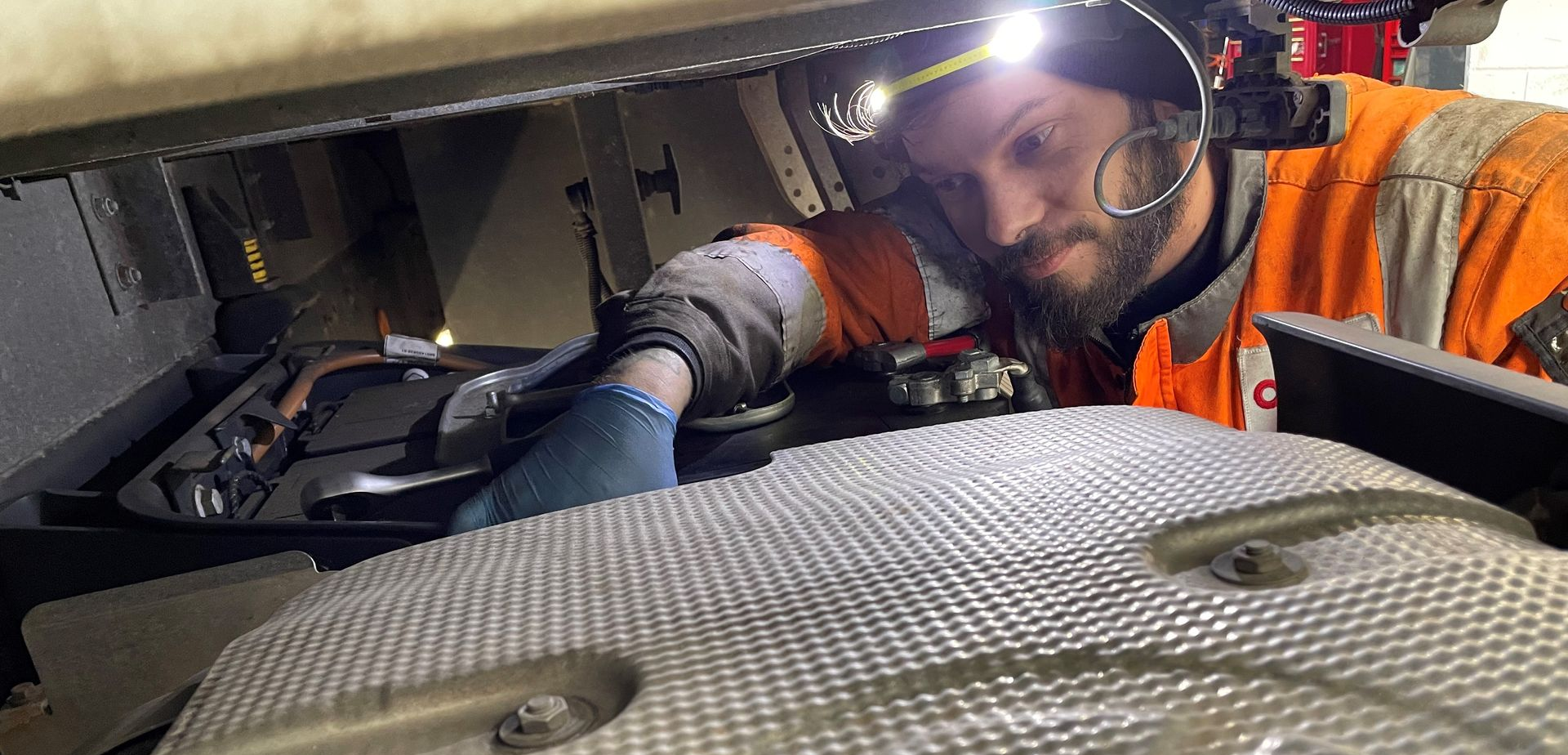
In logistics, that means HGV drivers and, at our sister company Heathline Commercials, the fitters who maintain and repair commercial vehicles.
The shortage of lorry drivers has received plenty of national attention, but HGV fitters are every bit as important. Without drivers, trucks don't move, but without skilled fitters, they don't make it onto the roads.
Engineering, manufacturing and construction face similar problems, while technology and the transition to a lower-carbon economy are changing the skills employers need.
Skills England estimates that key sectors will need around 1.8 million additional workers by 2035 and says we won't meet that demand through young people coming out of education alone. We must become better at retraining those already in work.
We also need to encourage more young people into vocational careers. For too long, university and white-collar jobs have been seen as the prime route to success, while skilled careers in logistics, engineering, manufacturing and construction haven't always been given the same recognition.
Yet these aren't jobs stuck in the past. Modern commercial vehicle technicians work with advanced electronics, digital diagnostics and new powertrain technologies. Achieving Net Zero will depend on those who can build, install, maintain and repair as much as those developing software or writing policy.
But we can't wait years for the next generation to fill today's skills gaps.
At Moody's, difficulty recruiting qualified HGV drivers led us to invest in our own apprenticeships. Five drivers completed the government-backed scheme, but administrative delays meant the process was taking 12 to 18 months. In response, we developed our own fast-track programme, enabling a further five to gain their licence within four to six months.
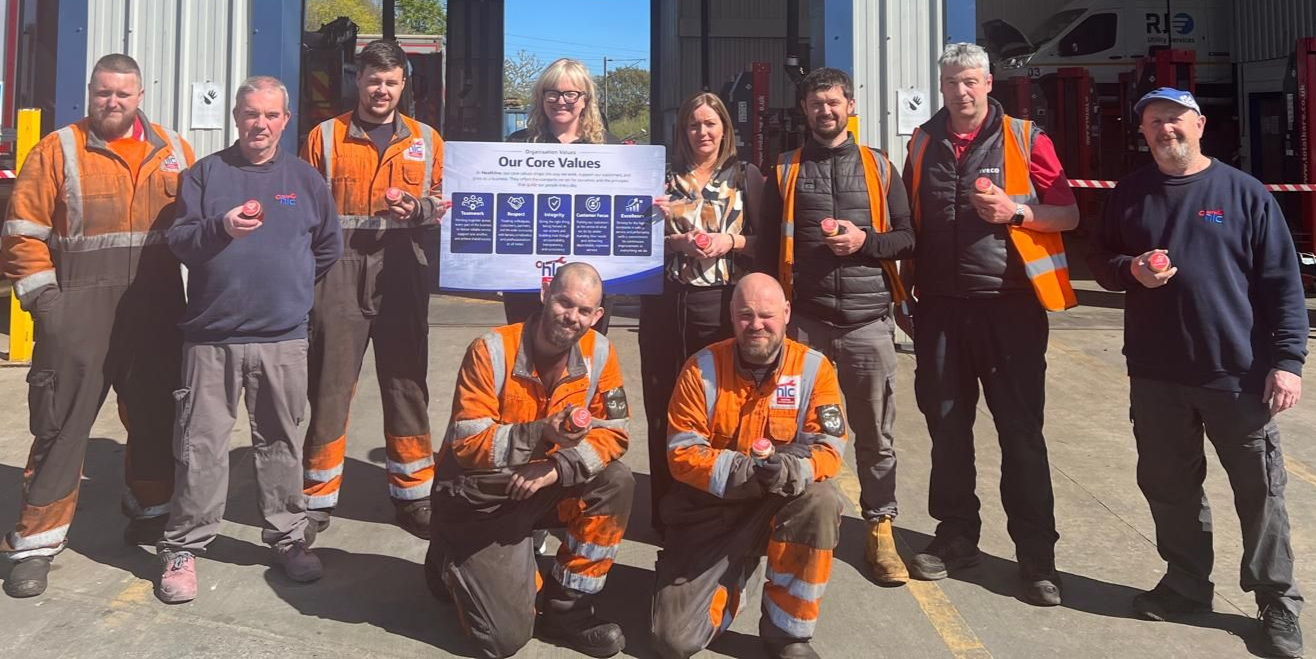
At Heathline, the shortage of qualified HGV fitters also forced us to think differently. Two Moody's drivers have transferred onto fitter apprenticeships, and we are currently taking on three further apprentices.
Our experience reinforces both the value of apprenticeships and the need to make them more flexible.
Training an HGV fitter can take three to four years. That's a significant investment for an employer and a long lead-in before someone is fully qualified.
This might be appropriate for someone starting from scratch, but not every apprentice is in the same position. Someone who has worked around commercial vehicles, or already has mechanical experience, brings knowledge and transferable skills that a school leaver won't have.
Apprenticeships are hugely valuable and aren't just for school leavers. But too many training routes have traditionally taken a one-size-fits-all approach.
There are encouraging signs of change, with new apprenticeship units offering shorter, more flexible training. However, these are currently limited to a relatively small number of skills in areas such as engineering, construction and digital technology. It's a positive start, but this approach needs to extend across a much wider range of occupations.
Training must also take greater account of what people already know and allow them to progress more quickly where their skills and experience justify it.
We also need to recognise that people don't necessarily choose one career for life. Skills gained in one job can be extremely valuable in another.
That's particularly important in the North East where we’ve long worried about talented people leaving the region. We need to attract new talent, but we should also make much more of the talent we already have.
Giving someone the chance to retrain and build a rewarding career here is good for them, good for business and good for the North East.
Employers can't solve the skills challenge alone. We need to inspire the next generation to recognise the value of skilled vocational careers, while unlocking the potential of those already in work.
After almost eight decades in business, my family knows that standing still isn't an option. The same applies to the way we develop our skills.